Brewing Tradition: The Story and Culture of Assam Tea
- Flora Sharma

- Apr 20
- 4 min read
Updated: Apr 23
Assam tea has become an international symbol of the state’s heritage and economy. The strong flavor of Assam tea is widely used in blends like English Breakfast Tea around the world.
Tea in Assam is more than a beverage—it represents hospitality, livelihood, tradition, and social connection.
Tea is deeply woven into the daily life and identity of Assam. The region is globally famous for producing strong aromatic tea known as Assam Tea. Assam is one of the largest tea-producing areas in the world, and tea is not just an industry—it is a way of life. A day begins with Aromatic cup of tea , and good cup of tea defines our mood of the day.
Tea truly reflects the emotions and rhythm of life in Assam. For many people, tea is not just a drink—it expresses mood, comfort, and connection.
Assam Tea can calm a tired mind, warm the heart, and bring people together. Our mornings begin with tea, conversations grow deeper over tea, and even moments of silence feel lighter with a cup in hand.
When we feel happy, tea becomes a reason to celebrate with friends and family. When we feel tired or stressed, tea offers comfort and peace. A simple cup shared at a roadside stall or at home can turn an ordinary moment into a meaningful one.
In Assam, tea truly defines our mood—it refreshes our spirit, strengthens bonds, and reminds us to slow down and enjoy life.
In every steaming cup of Assam tea,
Lives the laughter, tradition, and timeless spirit of our people.
In Assam, tea is not just brewed in cups,
It is brewed in our culture, our conversations, and our hearts.
Historical Roots :
Tea cultivation in Assam began during the British colonial period after the discovery of the indigenous tea plant Camellia sinensis var. assamica in the forests of Assam in the 1820s. The first commercial tea company, Assam Company, was established in 1839, marking the beginning of Assam’s tea industry.
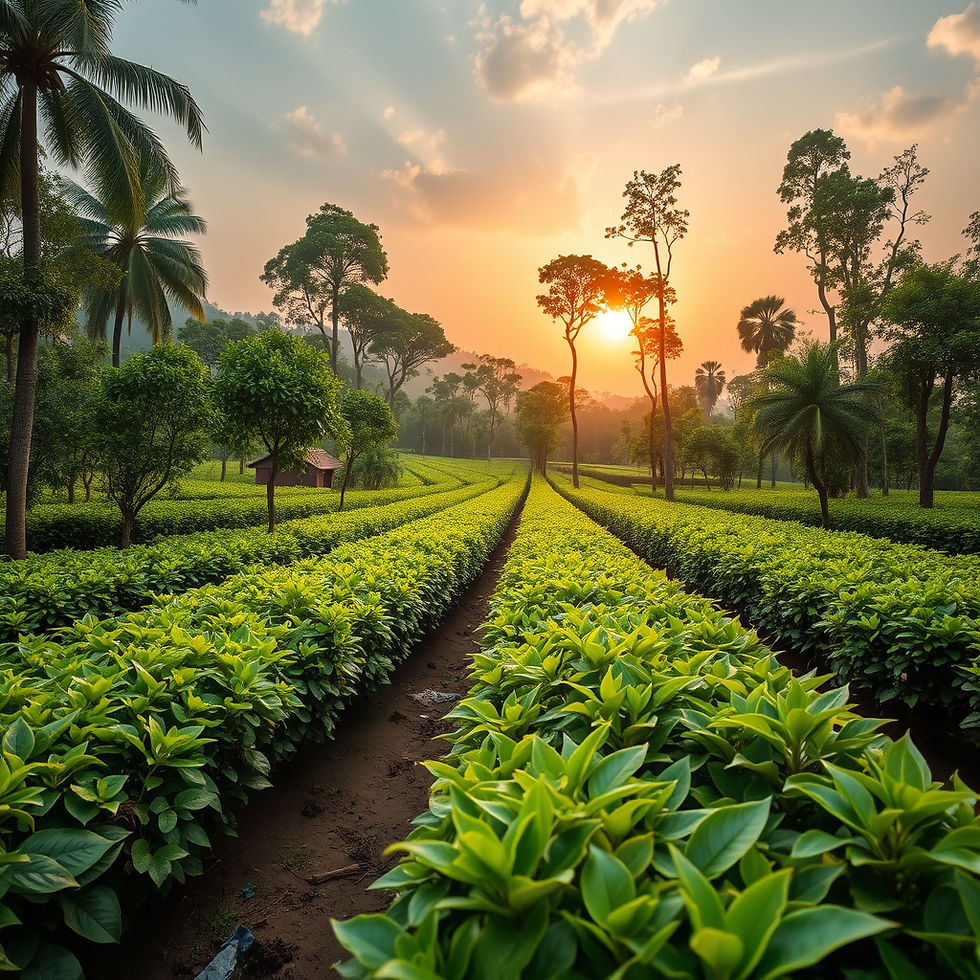
The fertile plains of the Brahmaputra Valley produce some of the strongest and most aromatic teas in the world, known globally as Assam tea.
Discovery of the Native Tea Plant:
Tea was traditionally known among the local communities of the Brahmaputra Valley, especially the Singpho tribe, who used tea leaves as a beverage long before commercial plantations began.
In 1823, a Scottish adventurer, Robert Bruce, learned about this local tea from the Singpho people. He recognized that the plant was different from Chinese tea and could grow naturally in Assam’s climate.Beginning of the Tea Industry
After Bruce’s discovery, the East India Company began experimenting with tea cultivation in Assam to break China’s monopoly on tea. By the 1830s, the British confirmed that the local plant Camellia sinensis var. assamica was ideal for large-scale production.
In 1837, the first commercial tea garden in Assam was established at Chabua, often called the birthplace of the Assam tea industry.
Global Recognition :
By the late 19th century, Assam tea became famous worldwide for its strong, malty flavor and deep color. Today, it is a key component in many global breakfast teas and blends.
Cultural Impact :
Tea plantations shaped the social and cultural landscape of Assam. Communities developed around tea gardens, bringing unique traditions, music, and festivals that blended with Assamese culture.
In Assam, tea is more than an industry—it is history, identity, and heritage brewed in every cup.
Today ,tea is not just agriculture—it is a powerful industry that supports livelihoods, shapes culture, and connects the region to the global market.
Local Economy:
The tea industry is also one of the biggest sources of employment in Assam. Millions of people work in tea gardens, factories, packaging units, and tea trading markets. Tea garden communities have developed their own cultural identity, traditions, and festivals around this industry.
Assam today produces more than half of India’s total tea, making it the largest tea-producing region in the country.
Assam tea is exported worldwide and is widely used in breakfast blends because of its strong, malty taste and bright color.
Our tea remains a symbol of Assam’s soul—representing its land, people, and traditions.
In Assam, tea is not simply grown—it is lived, shared, and celebrated.
Every cup carries the story of the land, the labor of the tea garden workers, and the traditions passed down through generations.
The Story Behind a Great Tea Brand: More than Just a Cup
Epiyola , a brand from the fertile valley of Northeast bring a taste of purity and experiences in itself.
This tea brand is not only about selling tea leaves; it is about delivering an experience. From the aroma that fills the room when hot water meets the leaves to the comforting warmth of the first sip, every element matters. The brand focuses on sourcing the finest tea leaves, maintaining strict quality standards, and preserving the authentic flavor that tea lovers expect.
Epiyola Tea draws inspiration from this rich heritage, ensuring that every blend reflects the authentic taste and tradition of Assam’s tea gardens.
From Tea Gardens to Your Cup~
One of the key philosophies behind Epiyola Tea is maintaining the freshness of the leaves from garden to cup. By working closely with tea growers and using proper processing techniques, the brand ensures that the natural character of Assam tea remains intact.
The result is a tea that offers a full-bodied flavor, a rich aroma, and a comforting experience in every sip.
A cup of Epiyola Tea stands out for its authenticity, quality, and heritage. Rooted in the rich tea-growing traditions of Assam, the brand celebrates the journey of tea from the lush green gardens to the warmth of your cup.
References
1. Assam Tea – Overview and characteristics
o Assam tea is a black tea produced in the Assam region of India and is known for its strong body, briskness, and malty flavor.
o It is made from the plant Camellia sinensis var. assamica and is widely used in breakfast tea blends.
Source: Wikipedia
2. Role of the Assamica tea plant variety
* The unique flavor of Assam tea comes from the large-leaf tea plant variety Camellia sinensis var. assamica, which produces strong and complex flavors.
Source: Tea research and industry publications

Comments